
Written by Mike Ankers, DTC-CDT — force-free dog trainer at Mikes Mutts, Dalry.
Being a responsible dog owner on walks comes down to keeping your dog under control, so everyone can enjoy the outdoors, including the people and dogs you meet along the way. In practice that means watching your dog closely, having a reliable recall before the lead comes off, and showing a bit of good manners when you pass others.
Most of us set off with the best intentions. You’ve got the lead, the poo bags, a pocket full of treats and a dog who’s beside himself with excitement. Then a jogger appears round the corner, or a dog on a lead heads your way, and suddenly the walk feels a lot less relaxed.
The good news is that a handful of simple habits make a huge difference. None of them are complicated, and once they become second nature, walks get calmer for you, your dog and everyone else on the path.
Is your dog really under control?
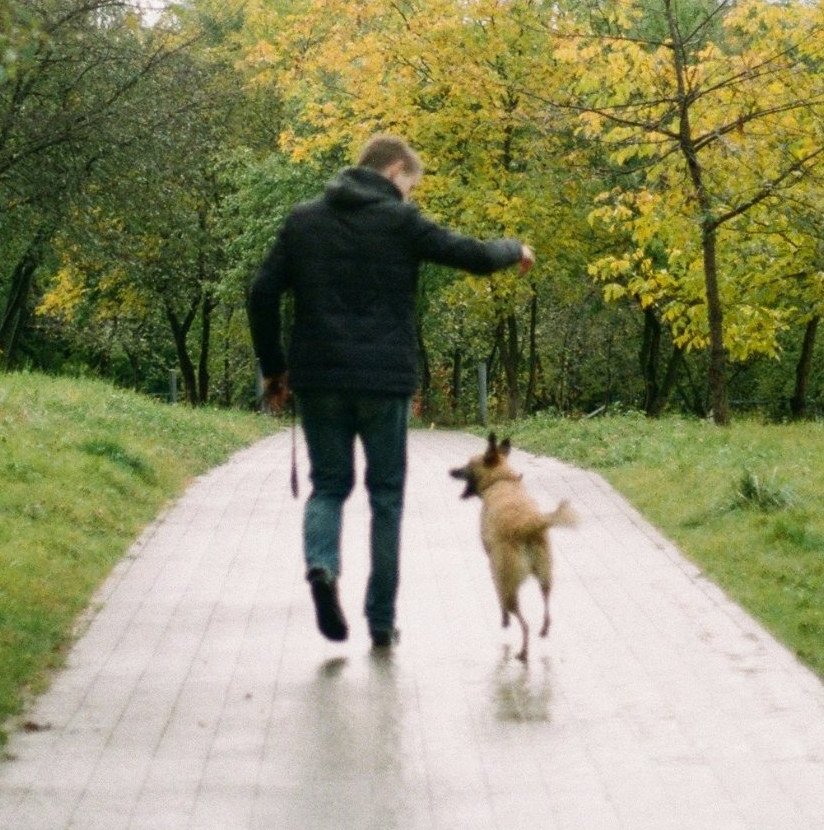
Supervision is where it all starts. Keep an eye on what your dog is doing at all times (not on your phone) and try to spot potential problems before they happen. If there’s a group of children with a ball up ahead, or a dog that looks a bit unsure, you’ve got time to act.
Recall is the big one. I’d only let a dog off the lead if you can call them back to you instantly, every time. If your dog comes back eventually, once they’ve finished with that very interesting bush, you don’t quite have full control yet. That’s nothing to be embarrassed about. Recall takes practice, and a long line is a brilliant way to give your dog some freedom while you build it up.
On public footpaths, keep your dog in sight the whole time. Out of sight really does mean out of your control. If the path bends ahead or disappears into the trees and you can’t see what’s coming, call your dog in closer to your side or pop the lead back on until the view opens up again.
How should I pass other dogs and people?
This is where a lot of friction happens, usually without anyone meaning any harm. Your dog may well be the friendliest dog in Ayrshire, but you can’t know whether the dog coming towards you feels the same. It might be nervous, recovering from an operation, in training or simply not keen on strangers bounding up. Often that’s exactly why it’s on a lead.
A few habits help everyone pass by happily:
- Don’t let your dog approach a dog that’s on a lead with its owner. Bring yours in close and give them space.
- Only let dogs play off lead together if the other owners have agreed, and everyone can call their own dog back.
- When you see someone coming, with or without a dog, keep your dog close (on the lead if needed) until you’ve passed.
- Walk your dog on the side furthest from an approaching dog, so the dogs don’t meet face to face and you can both pass freely.
- In town, keep your dog nearest the building line and walk on the outside yourself, so other people can get by without squeezing past.
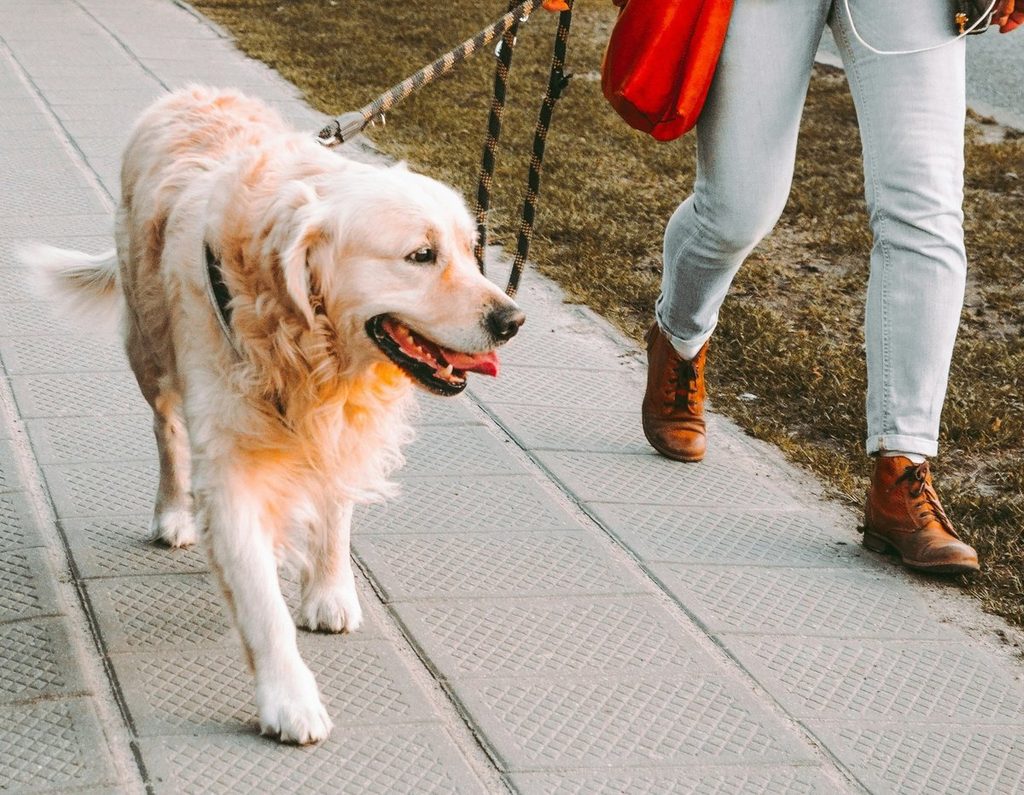
Treats are worth a mention too. Keep them for your own dog, and don’t feed other people’s dogs unless their owner asks you to. It feels like a kind thing to do, but it teaches dogs that strangers might have food, and before long they’re pestering everyone they meet.
What else makes a responsible dog owner?
Parks, beaches and paths are shared spaces. Some people are there to run, some to picnic, some just to sit and enjoy the peace, and not everyone loves dogs. Your dog should never bother them, on or off the lead.
It’s worth finding out which local areas don’t allow dogs and which have lead restrictions. These rules vary from place to place, and your local dog warden can tell you what applies near you.
Always take bags with you, pick up after your dog and put it in a suitable bin or take it home. And please don’t take your dog out just so they’ll go to the toilet somewhere other than your own garden. Nobody wants that left on their walk.
Lastly, your dog doesn’t need to play with other dogs on every outing. Lots of dogs are happiest playing with you, and that’s a lovely thing to build on. A game of tug, hide and seek with a favourite toy, or a few recalls for a tasty reward will all strengthen your bond. They also make you far more interesting than the dog across the field.
If this feels like a lot, please don’t worry. Nobody gets it perfect straight away, and every walk is a chance to practise. Pick one habit, perhaps recall or passing other dogs calmly, and start there. These everyday habits are a big part of my new course, Good Dogs, Great Owners – The Responsible Dog Ownership & Training Course. If you’d like help with recall and walking nicely on the lead, my obedience training covers exactly that, and small training classes are a great place to practise around other dogs.
Frequently asked questions
When can I let my dog off the lead?
Only once your dog has a reliable recall and comes back the moment you call, even with distractions around. Until then, a long line gives your dog freedom while you stay in control.
Should I let my dog say hello to dogs on a lead?
No. A dog on a lead may be nervous, unwell or in training. Keep your dog close and let the other owner pass in peace, unless they invite a greeting.
What should I do with dog poo if there’s no bin?
Bag it and take it home to put in your own bin. Never leave a bag hanging on a branch or by the side of the path.
Fancy calmer, happier walks?
I’d love to help you and your dog enjoy your walks around Dalry and the Garnock Valley. Have a look at the Mikes Mutts website, give me a ring on 07341 513205 or drop me an email at info@mikes-mutts.co.uk.